
Key Takeaways
- A strong lease agreement protects both landlords and tenants by setting clear expectations, reducing disputes, and serving as critical evidence if issues reach the Landlord and Tenant Board (LTB).
- Ontario landlords are legally required to use the Ontario Standard Lease, but adding customized clauses for maintenance, smoking, pets, parking, and other property-specific rules is essential for stronger protection.
- Cutting corners with generic or incomplete leases can lead to costly misunderstandings, legal challenges, and compliance issues, making a detailed, Ontario-specific lease one of the most important tools in successful property management.
A lease agreement is the foundation of every successful landlord-tenant relationship; a legally binding document that protects your investment, sets clear expectations, and gives both parties something concrete to refer back to if questions or conflicts arise.
And yet, it’s one of the areas where Ottawa landlords most commonly cut corners. Whether it’s relying on a generic template downloaded from the internet, skipping over key clauses, or leaving Ontario-specific requirements out entirely, a weak lease can cost you far more than the time you saved writing it.
This guide by E & S Property Management covers everything you need to know to build a lease that actually works: one that reflects Ontario law, Ottawa’s rental market, and the realities of managing a residential rental property.
Contact Us Today!
Why a Solid Lease Agreement Matters
Oral agreements carry almost no legal weight when it comes to residential tenancies in Ontario. If a tenant claims they were told pets were allowed, or that rent was due on the 5th rather than the 1st, or that they had permission to sublet — and nothing is written down and signed — you’re in a difficult position.
Proving your version of events without documentation is a challenge at the best of times. Before the Landlord and Tenant Board (LTB), it can be even harder.
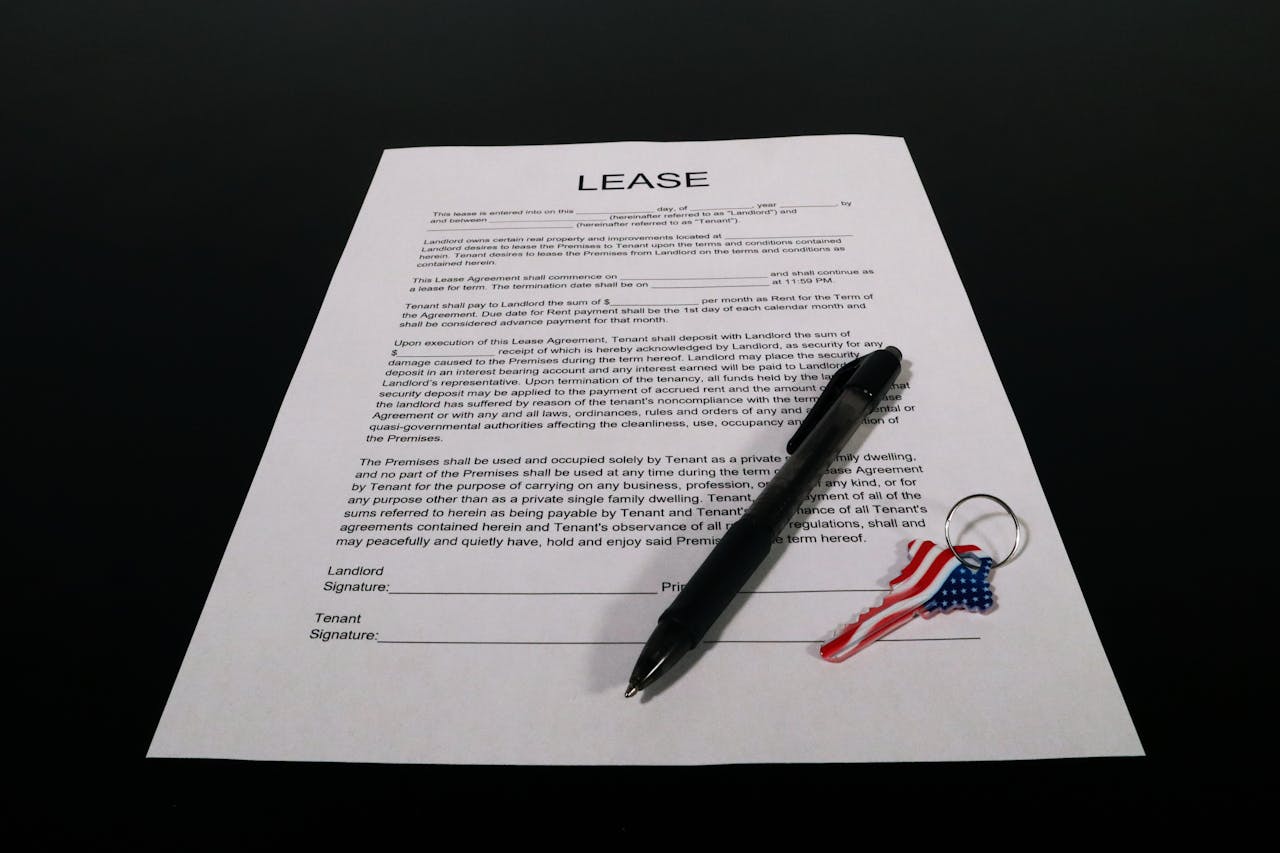
A well-drafted lease agreement accomplishes several things at once. It answers the repetitive questions tenants ask at move-in and throughout the tenancy, reducing back-and-forth.
It establishes clear policies that are harder to dispute or “misremember.” And if a dispute does escalate to the LTB, your signed lease is your primary piece of evidence — the document that tells the adjudicator exactly what was agreed upon.
It also helps you think through your property’s management upfront. Writing a comprehensive lease forces you to make decisions about subletting, smoking, parking, guests, and maintenance responsibilities before a tenant is ever in the unit. That clarity benefits everyone.
Starting Point: The Ontario Standard Lease
Since April 30, 2018, most residential landlords in Ontario are required to use the Ontario Standard Lease (also called the Mandatory Standard Lease Form). This government-issued template covers the core elements of the tenancy and is designed to ensure compliance with the Residential Tenancies Act (RTA).
If a tenant requests the standard lease and the landlord has not provided one within 21 days, the tenant has the right to withhold one month’s rent. So this isn’t optional paperwork; it’s a legal requirement for most Ottawa rental situations.
The standard lease applies to most private residential rentals, including single-family homes, condos, basement apartments, and secondary suites. It does not apply to most social housing, care homes, or sites in a land lease community.
Importantly, the standard lease includes space for additional terms in Section 15. This is where landlords can customize their lease to address their specific property, policies, and preferences, provided those terms don’t violate the RTA or the Ontario Human Rights Code.

Contact Us Today!
The Non-Negotiable Basics Every Lease Must Include
Whether you’re using the Ontario Standard Lease or adding supplemental terms, make sure the following core details are captured clearly and completely:
- Full Legal Names: The legal names of all landlords and all tenants who will be occupying the unit must appear in full. This matters because it establishes who is party to the agreement and who is legally bound by it. If you have multiple tenants, list both names. Each person on the lease has rights and responsibilities under the RTA.
- Complete Property Address: The address must be complete and specific, including the unit number if applicable. For properties in Centretown, the Glebe, or any multi-unit building across Ottawa, the specific unit matters. A lease that just says “123 Main Street” for a four-unit building is ambiguous.
- Rent Amount and Due Date: State the monthly rent clearly, both in numbers and in words. Specify the exact due date. Include any accepted payment methods. If you accept e-transfers, cheques, or pre-authorized payments, say so. Clarity here reduces the most common source of early tenancy friction.
- Rental Term: Specify the start and end dates of the tenancy with precision. A term stated as “one year” is vague. Write out the full dates. Also address what happens at the end of the term. In Ontario, a fixed-term tenancy automatically converts to a month-to-month tenancy unless the tenant gives proper notice to vacate.
- Rent Deposit Details: In Ontario, landlords can collect a rent deposit (last month’s rent) of up to one month’s rent. This can only be used for the final month of tenancy, not as a damage deposit. Note the deposit amount, confirm the interest obligation, and outline how it will be applied at the end of the tenancy.
- Signatures and Date: The lease is not binding until it is signed and dated by all parties. Every adult who will be living in the unit should sign. Keep a copy for your records and provide a copy to the tenant within 21 days of signing.

Key Clauses to Address in Your Additional Terms
Section 15 of the Ontario Standard Lease is where your lease becomes specific to your property. Think of it as a chance to set expectations clearly before they become points of dispute. Here are the clauses most Ottawa landlords should address:
Tenant Maintenance Responsibilities
Landlords are legally required to keep rental units in a good state of repair and fit for habitation. But tenants have obligations too.
Your lease should specify what basic maintenance and renovations tenants are responsible for: keeping the unit reasonably clean, disposing of garbage properly, reporting maintenance issues promptly, and not causing damage beyond normal wear and tear. A clear articulation of these duties creates accountability.
Smoking Policy
Ontario’s Smoke-Free Ontario Act restricts smoking in many places, but your lease gives you the ability to set a no-smoking policy within your unit and on the property. If smoking (including cannabis) is prohibited, say so explicitly. Remediation costs for smoke damage are significant, and having a clear clause is essential if you ever need to pursue compensation.
Pet Policy
In Ontario, landlords cannot enforce a blanket no-pets clause — the RTA generally voids these restrictions. However, you can set conditions around pets (such as requiring notice and landlord approval) and you may hold a tenant liable for any pet-related damage.
The one firm exception: service and support animals must be accommodated regardless of any pet policy, under the Ontario Human Rights Code.
The Bottom Line
Preparing a legally sound, property-specific lease is one of the most time-consuming and detail-dependent tasks in property management, and it’s one of the core services we provide at E & S Property Management.
When we take on a new Ottawa property, lease preparation is part of the process from the start. When tenants have questions about their lease, we handle those conversations. When lease renewals come up, we manage the process. Contact E & S Property Management today!